
Commercial & Strata Painting Across Metro Vancouver
Offices, retail, strata and multi-unit buildings — painted in phases and after hours, around the tenants and residents who still have to use the place.
Commercial painting is a scheduling problem with a paint job attached: the building keeps working while you repaint it. Leo Painting paints commercial, strata and multi-unit buildings across Metro Vancouver and the Fraser Valley, where most of the thinking goes into hours, access and sequence rather than colour. If it is your own house, residential painting is the better starting point.
Yes, and for occupied space it is usually the only sensible way. Retail floors, offices, clinics and corridors can be worked evenings, overnight or across a weekend. What after-hours work cannot do is make paint dry faster — a cool building with the ventilation down dries slower than a warm one with air moving through it — so the job goes in phases: a floor or a wing is finished and returned before the next one starts. That also forces the practical questions out early: keys, alarm codes, security escorts, which elevator can be booked and padded, and where a crew parks and loads at night.
In short sections, one side at a time, and never by closing the only route out. There is always a clear, signed walking path, drop sheets come up at the end of each shift, and fire exits, pull stations and suite doors stay reachable. Common areas also take a building’s hardest wear — corridor walls meet luggage, strollers, bikes and moving day — so they want a sheen that can be washed rather than a flat that marks the moment someone leans a bike on it. The trade-off comes later: a flat hides a touch-up better than any sheen does, so on an eggshell or satin corridor a single scuff repair can read as a patch in raking light, and the honest repair is to run the coat corner to corner.
Notice matters as much as masking: residents and tenants need to know in writing, before the crew arrives, which days their floor is affected and what they have to move. Our post on keeping disruption down on a strata or commercial repaint works through that in order.
Two documents, before anyone sets up a ladder: a current WorkSafeBC clearance letter and a commercial general liability certificate. Read the dates and the named insured rather than the logo. Leo Painting is licensed, insured and WorkSafeBC covered, and both documents can come with the quote. If your strata corporation or landlord has to be named as an additional insured, raise it at quoting — that endorsement comes from the insurer rather than from us, so it is not instant.
Beyond certificates, a documented site is what keeps people safe: safety data sheets for every product on site, fall protection planned before height work rather than improvised, wash water contained instead of running to a parkade drain, and a crew that signs in and out. A general contractor assembling a subcontractor file will want most of this — our checklist for hiring a painting subcontractor sets out a reasonable one.
From a walk of the actual buildings. A square-foot rule can price a drywall shell; it cannot price years of weather on a building, a south elevation that has failed while the north has not, or railings needing rust treatment first. So we inventory what is there, substrate by substrate and elevation by elevation, with access, repair volume, and which areas must be worked out of hours.
It comes back as a line-item scope, priced per building or per phase, so a council can see where the money goes, confirm two bids cover the same surfaces, and defer a phase without the quote collapsing. Where condition cannot be known until something is opened up, it is named as an allowance rather than buried in a lump sum.
Substrates, elevations, access, repair volume and the hours each area can be worked.
Back within 24 hours, split by building or phase, with coats and sheens named.
Phases, shift times, keys and access settled; resident notices drafted first.
Each area returned finished, then a walkthrough and our 2-year workmanship warranty.
Earlier than most councils expect, because on a strata the weather is only one of three clocks. The first is the decision: a scope has to be written, bids compared and the spend approved, which on a shared building runs through a council and, for a larger spend, often a vote of the owners — all of it lead time before a wall is washed. The second is access: anything above ladder height needs swing stage, scaffold or a lift, booked and sited clear of the parking and walkways residents use every day. The third is the weather, the one nobody controls — what a coating will and will not tolerate going on is set out under exterior painting.
Prep sits inside the same window. Coastal damp leaves moss, mildew and chalk on siding and stucco, and that has to come off and dry before paint goes on, which is what pressure washing before we paint is for. Add windows closed, balconies cleared, parking moved and written notice to every resident, and a summer exterior is a conversation that starts well before the dry weather rather than in it. Interiors run the other way: corridors, lobbies and offices are the right work for the wet months.
We work across Metro Vancouver and the Fraser Valley, from commercial strips to strata towers. Our Surrey painters, Langley painters and Coquitlam painters pages go city by city, and every area we serve lists the rest.
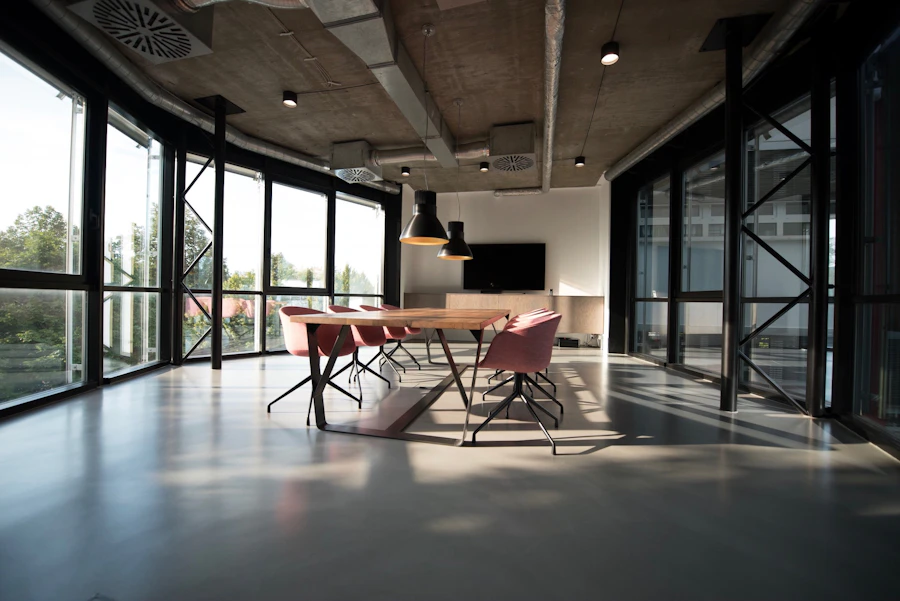
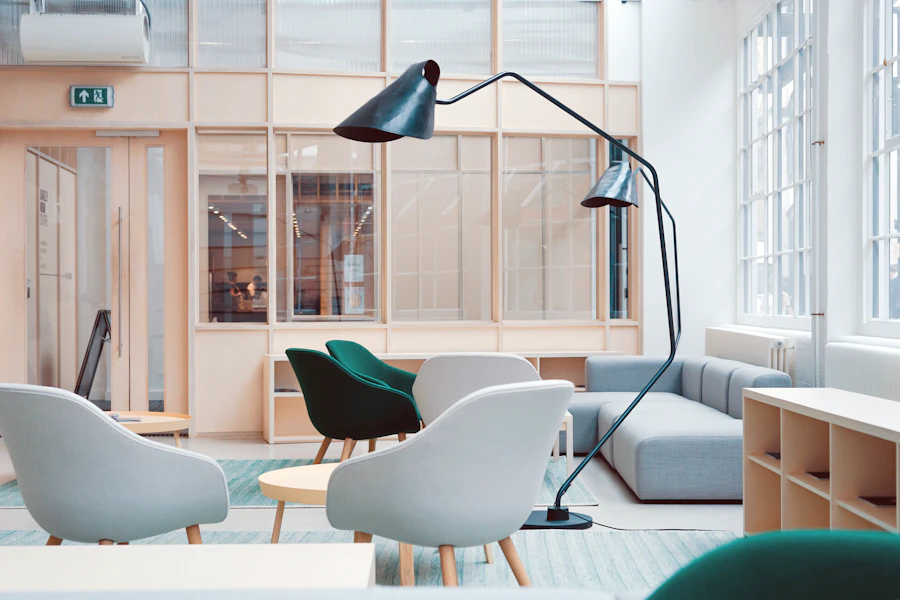

Walking traffic can go back as soon as the last coat is dry to the touch, and the shift is planned so that point lands before the building fills up again. Putting the space back together takes longer: waterborne paint is dry well before it is cured, and a fresh film still marks if something is pressed against it, so fixtures, artwork and furniture go back last. Both times depend on the product, the number of coats, the temperature and the airflow, and the label on the tin is the authority on them — which is why we give a hand-back time area by area rather than one figure for the whole job.
Waterborne products are low-odour rather than no-odour, and they are the sensible choice in an occupied building because smell travels much further than dust. Anywhere with little air movement holds it longest — an interior stairwell, a parkade, a windowless corridor — so those are worth doing out of hours with the ventilation running. Products that are not waterborne, such as a rust-inhibitive primer on steel railings, need more ventilation and more notice, and the schedule says which days they fall on.
The council or the property manager decides; our part is making that decision checkable before a whole building has to live with it. Colour reads differently at building scale than on a small chip, and a sunlit elevation lightens it, so the useful step is a drawdown or a test patch on the actual wall, judged outdoors in daylight. An existing colour can usually be matched closely for a full repaint, though an exact match to a wall with years of sun on it is not realistic. The chosen product, colour and sheen go into the written scope, so a touch-up later uses the same thing.
We stop. Coatings need a dry surface and a minimum application temperature, and a coat put on damp or too cold can fail later even though it looked fine going on. So an exterior phase is planned with somewhere else to go: soffits, under-balcony areas and sheltered elevations carry on while the open walls wait. It is also why a summer repaint is a spring conversation — the dry stretch on this coast is short, and a job booked late in it has no room left to absorb the days the weather takes back.
Often, yes. Phasing by elevation, by building or by common-area floor spreads the cost, as long as the sequence follows the condition of the building rather than the calendar. Anything actively failing — bare wood, open caulking, rusting railings — should not wait, because once water is getting in behind the cladding, paint is no longer the thing that fixes it.
Send us your scope today — we’ll turn around a clean, line-item quote within 24 hours.
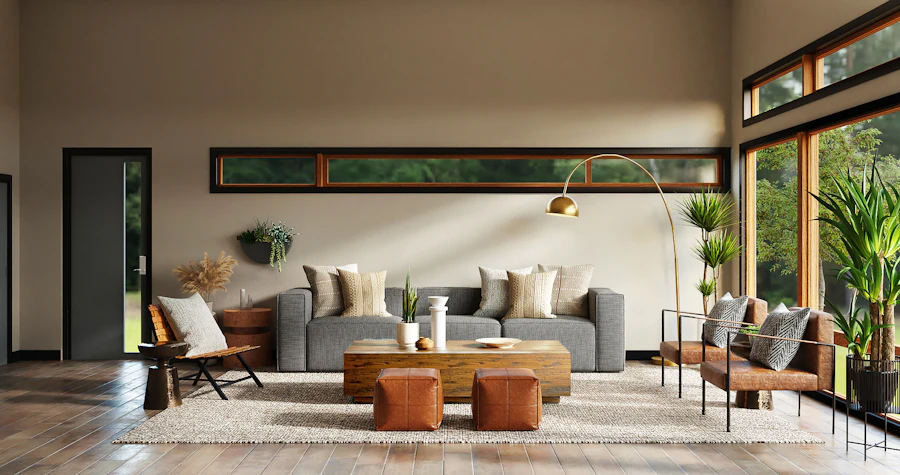 Interior Painting
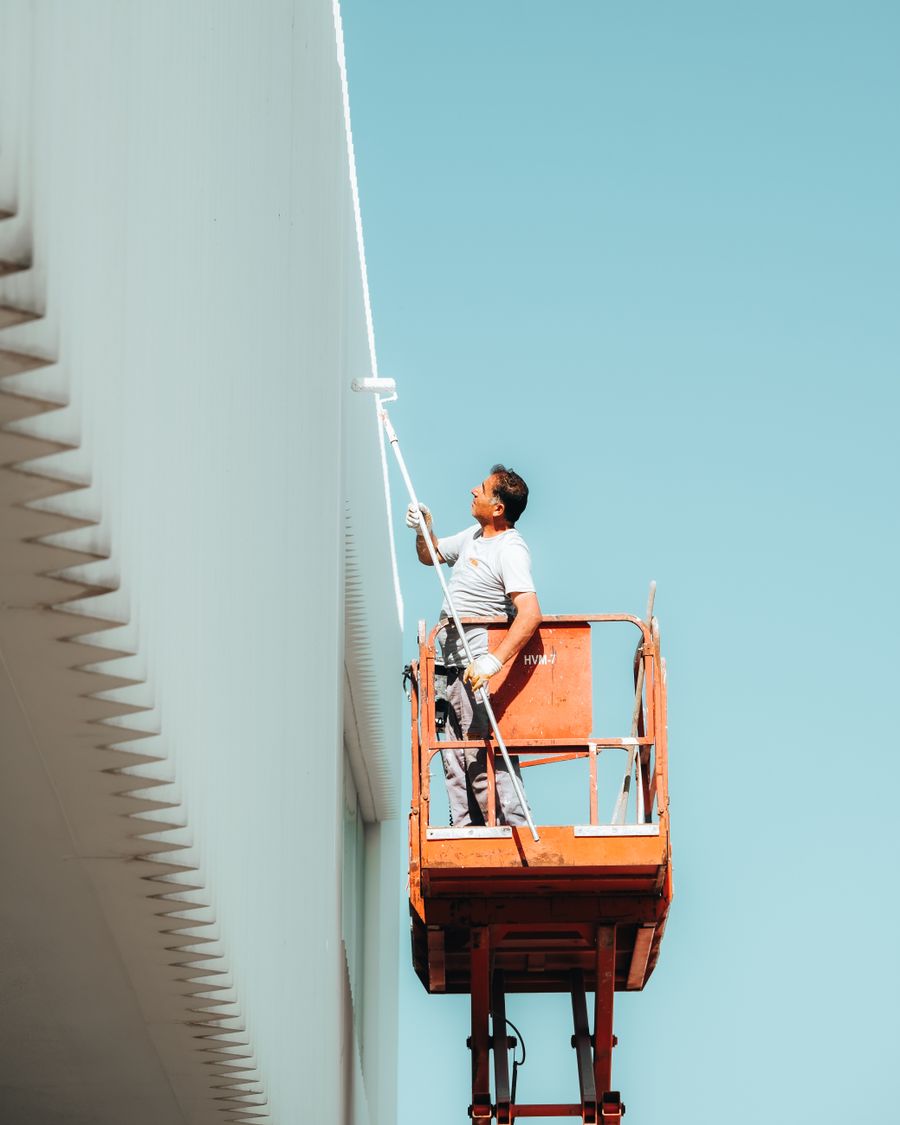 Exterior Painting
 Renovation Painting